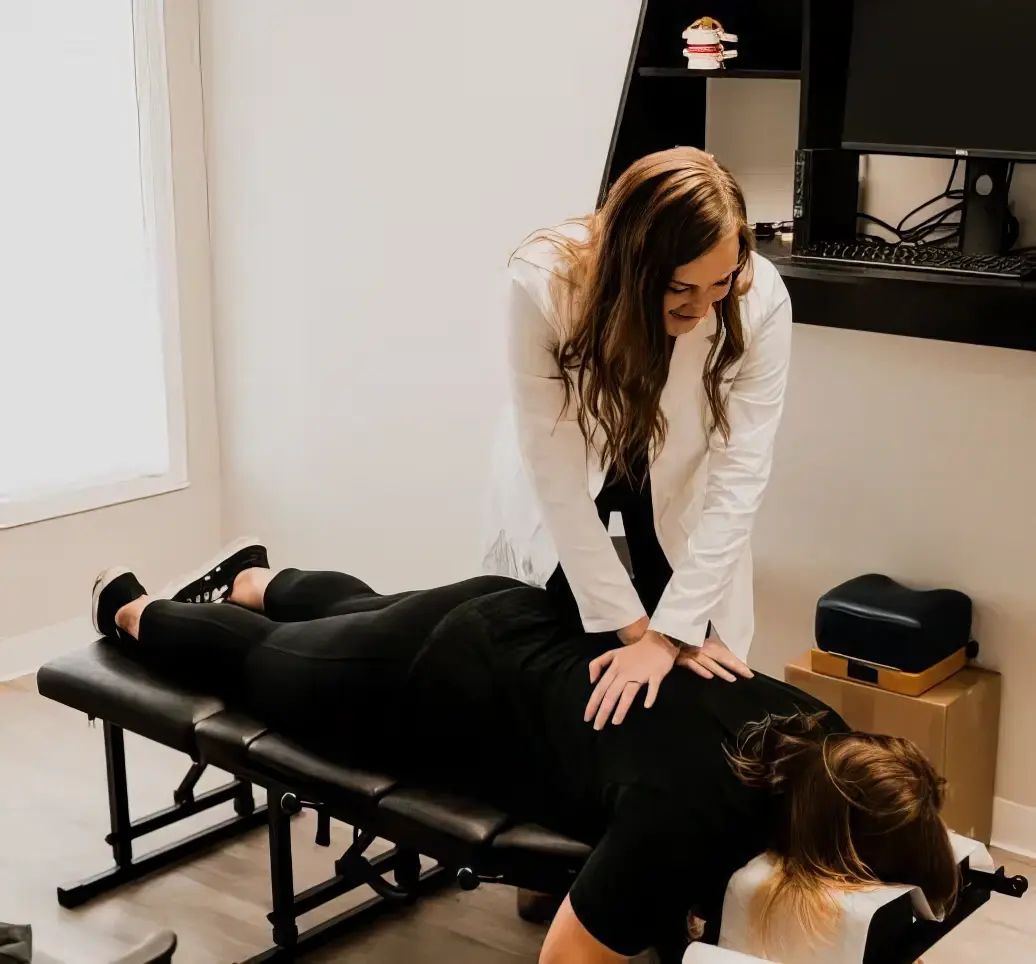
Neither spinal decompression nor chiropractic adjustments is better for every case of back pain. Spinal decompression is usually better for disc-related pain such as herniated discs, bulging discs, and sciatica, while chiropractic adjustments are better for joint stiffness, facet irritation, and restricted spinal motion. At Acme Chiropractic in Ankeny, many Des Moines patients get the strongest results from a combined plan based on a thorough spine exam.
Why the Right Treatment Depends on the Cause of Your Pain
Back pain is a symptom, not a diagnosis. Two people with the same pain level can have completely different problems. One may have a herniated disc pressing on a nerve. The other may have a stiff, irritated facet joint or a sacroiliac joint that is not moving well.
That is why the question "Which is better?" is best answered with another question: "What is causing your pain?"
A thorough chiropractic exam looks at:
- Where the pain is and where it travels
- What movements and positions make it better or worse
- Reflexes, muscle strength, and sensation in the legs
- Joint motion in the lumbar spine, pelvis, and hips
- Posture, muscle tension, and movement patterns
- X-ray or MRI findings, when available
Once the cause is clear, choosing between spinal decompression, chiropractic adjustments, or both becomes much easier.
What Is Spinal Decompression Therapy?
Non-surgical spinal decompression is a computer-guided traction therapy. You lie on a padded table while a harness connects your hips and torso to the decompression system. The table applies a slow, controlled stretch to the spine, then relaxes, in timed cycles.
How Spinal Decompression Works
Spinal decompression is designed to:
- Reduce pressure inside the spinal discs
- Gently separate the vertebrae to give nerve roots more room
- Help retract bulging or herniated disc material
- Improve fluid and nutrient exchange in the discs
- Ease muscle spasm and guarding
Conditions Spinal Decompression Treats
- Herniated discs and slipped discs
- Bulging discs
- Degenerative disc disease
- Sciatica and radiating leg pain
- Lumbar spinal stenosis, in selected cases
- Cervical disc problems with arm pain, using cervical decompression
What Are Chiropractic Adjustments?
A chiropractic adjustment, also called spinal manipulation, is a precise, controlled force applied to a joint that is not moving properly. The goal is to restore normal motion, reduce joint irritation, and calm the surrounding muscles and nerves.
At Acme Chiropractic, adjustments are delivered using techniques such as:
- Diversified technique: a hands-on method that restores motion to restricted spinal joints
- Activator technique: a handheld instrument that delivers a quick, low-force adjustment, often preferred by patients who want a gentler approach
- Webster technique: a specific approach used to support pelvic balance during pregnancy
You may hear a popping sound during a manual adjustment. This is simply gas releasing from the joint fluid and is not bones cracking.
Conditions Chiropractic Adjustments Treat
- Acute and chronic low back pain
- Facet joint syndrome
- Sacroiliac joint dysfunction
- Mid back and rib pain
- Neck pain and stiffness
- Tension headaches linked to neck tension
- Postural strain from desk work and driving
Clinical guidelines from the American College of Physicians include spinal manipulation as a non-drug option for acute and chronic low back pain.
Spinal Decompression vs. Chiropractic Adjustments: Key Differences
Primary Target
Spinal decompression targets the spinal discs and the pressure on nerve roots. Chiropractic adjustments target joint motion, joint alignment, and the nervous system signals around the joints.
How It Feels
Decompression feels like a slow, gentle stretch while you lie still for 20 to 30 minutes. An adjustment takes seconds and feels like a quick, controlled movement, often followed by a sense of release.
Best For
Decompression is often the better fit for disc herniations, bulging discs, sciatica, and degenerative disc disease. Adjustments are often the better fit for stiffness, joint locking, facet pain, sacroiliac pain, and postural back pain.
Session Length and Frequency
Decompression sessions last about 20 to 30 minutes, usually two to three times per week for six to eight weeks. Adjustment visits are shorter, and frequency depends on how acute the problem is.
Who Should Avoid Each Treatment
Decompression is not recommended for pregnancy, severe osteoporosis, spinal fractures, tumors, or spinal hardware. Adjustments may be modified or avoided for severe osteoporosis, certain fractures, or specific vascular or inflammatory conditions. Low-force options like the Activator technique can often be used when manual adjustments are not ideal.
Which Is Better for Your Back Pain?
Here is a simple way to think about it.
Spinal decompression may be better if you:
- Have leg pain, numbness, or tingling that started in the lower back
- Have an MRI showing a herniated or bulging disc
- Feel worse with sitting and bending forward
- Have had disc-related pain for several weeks or months
Chiropractic adjustments may be better if you:
- Have back pain that stays in the lower back without traveling down the leg
- Feel stiff, locked up, or stuck when you twist or bend
- Have pain on one side near the pelvis or tailbone
- Notice pain after sleeping wrong, lifting, or sitting in a poor posture
A combined plan may be best if you:
- Have both disc-related nerve pain and stiff, restricted joints
- Have chronic back pain that has not responded to a single treatment
- Want a well-rounded, non-surgical plan that treats the disc and the movement patterns that stress it
Why Combining Spinal Decompression and Adjustments Works Well
Many patients in Des Moines and Ankeny do best with both treatments working together.
- Decompression reduces pressure on the disc and nerve.
- Adjustments restore motion in the joints above and below the injured disc, so one segment does not take all the stress.
- Rehab exercises strengthen the core and hips to protect the spine long term.
- Posture and ergonomic changes reduce the daily strain that caused the problem.
This approach addresses both the disc and the mechanics of your spine instead of focusing on one piece of the puzzle.
What to Expect at Acme Chiropractic
Your first visit at our Ankeny clinic includes:
- A detailed conversation about your pain, history, and goals
- A physical, orthopedic, and neurological exam
- A review of any X-rays or MRI results you bring
- A clear explanation of what is causing your pain
- A personalized recommendation for spinal decompression, chiropractic adjustments, or both
- A realistic timeline and progress checkpoints
If your condition needs care beyond chiropractic, such as imaging, a medical evaluation, or a surgical opinion, we will tell you and help you find the right next step.
How to Prepare for Your First Treatment
A little preparation helps you get the most from your first visit, whether you end up receiving spinal decompression, chiropractic adjustments, or both.
- Wear comfortable, loose clothing that lets you move and lie down easily
- Bring any recent X-rays, MRI reports, or notes from other providers
- Write down when your pain started, what makes it worse, and what makes it better
- List your current medications and any past surgeries or injuries
- Note your goals, such as sitting through a workday, golfing again, or sleeping through the night
After treatment, drink plenty of water, take a short walk, and avoid heavy lifting for the rest of the day. Mild soreness can happen as your body adapts, much like after a new workout, and it usually fades within a day or two. Your chiropractor will also give you simple home exercises so progress continues between visits in Des Moines and Ankeny.
Frequently Asked Questions
Is spinal decompression better than a chiropractic adjustment for a herniated disc?
For a herniated disc with nerve pain, spinal decompression is often the primary treatment. Gentle adjustments to nearby joints may be added once the disc is calmer.
Can I get spinal decompression and a chiropractic adjustment on the same day?
Yes. Many patients receive both during the same visit, which can make care more efficient and effective.
Are chiropractic adjustments safe for back pain?
Chiropractic adjustments are considered safe for most adults when performed by a licensed chiropractor after a proper exam. Mild soreness for a day or two is the most common side effect.
Which treatment works faster?
Adjustments can bring quick relief for joint-related stiffness. Decompression usually works more gradually because disc healing takes time.
Where can I find a back pain chiropractor near me in Ankeny or Des Moines?
Acme Chiropractic at 701 NW School Street in Ankeny offers both spinal decompression and chiropractic adjustments for back pain and serves patients across the Des Moines metro.
Related Articles
- Chronic Lower Back Pain: When Should You Consider Spinal Decompression Therapy?
- Can Spinal Decompression Help Sciatica? What Des Moines & Ankeny Patients Should Know
- Bulging Disc vs. Herniated Disc: What's the Difference and How Can Chiropractic Care Help?
Find the Right Back Pain Treatment for You
You do not have to guess which treatment is right. The trusted team at Acme Chiropractic will examine your spine, explain the cause of your back pain in plain language, and recommend the approach most likely to help.
Call (515) 341-0120 or visit 701 NW School Street, Ankeny, IA 50023 to schedule your back pain consultation. We serve Des Moines, Ankeny, Johnston, Urbandale, Altoona, and the surrounding area.