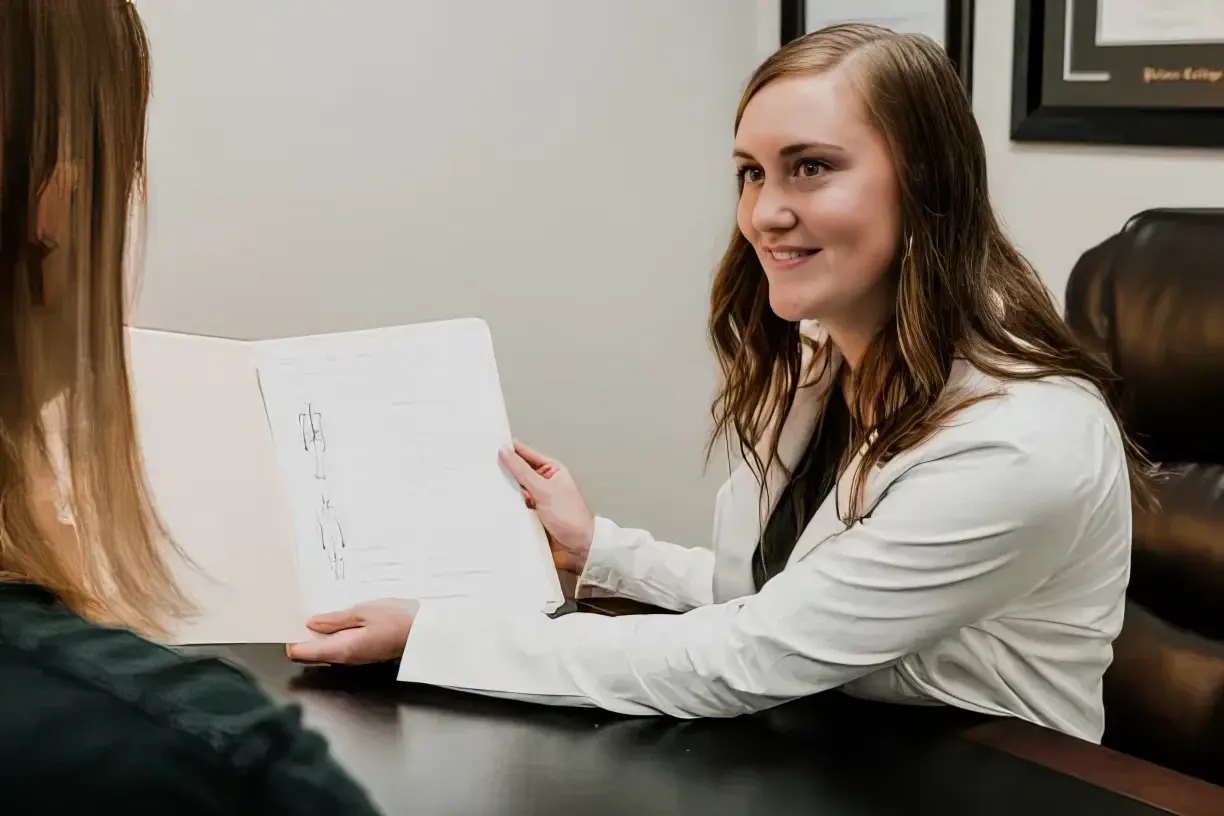
You should consider spinal decompression therapy for chronic lower back pain when pain lasts longer than 12 weeks, is linked to a disc problem such as degenerative disc disease or a bulging disc, and has not improved with rest, medication, or exercise alone. At Acme Chiropractic in Ankeny, Des Moines patients receive a full spine exam to confirm whether non-surgical spinal decompression is a safe and appropriate next step.
What Is Chronic Lower Back Pain?
Lower back pain is considered chronic when it lasts 12 weeks or longer, even after the original injury or trigger has been treated. It is one of the most common reasons adults in the United States visit a healthcare provider and one of the leading causes of missed work.
Chronic low back pain can feel like:
- A constant dull ache across the lumbar spine
- Stiffness in the morning or after sitting
- Sharp pain when bending, lifting, or twisting
- Pain that spreads into the buttocks, hips, or legs
- Flare-ups that come and go for months or years
For many people in Des Moines and Ankeny, chronic back pain affects work, sleep, driving, parenting, and hobbies such as golf, gardening, and walking the trails around Saylorville Lake.
Common Causes of Chronic Lower Back Pain
Chronic back pain usually has a structural or mechanical cause. The most common include:
- Degenerative disc disease: age-related thinning and drying of the spinal discs, which reduces cushioning and narrows the space for nerves
- Bulging or herniated discs: disc material pushing outward and irritating nearby nerves
- Facet joint syndrome: irritation of the small joints at the back of each vertebra
- Lumbar spinal stenosis: narrowing of the spinal canal that can cause back and leg pain with walking or standing
- Sacroiliac joint dysfunction: pain where the spine meets the pelvis
- Muscle imbalances and poor posture: weak core muscles, tight hip flexors, and long hours of sitting
- Old injuries: past car accidents, sports injuries, or lifting injuries that never fully healed
Spinal decompression therapy targets disc-related causes. Other causes may respond better to chiropractic adjustments, soft tissue therapy, or exercise.
What Is Spinal Decompression Therapy?
Non-surgical spinal decompression is a gentle, computer-guided traction therapy. You lie on a specialized table with a harness around your hips and lower ribs. The system applies a slow, controlled stretch to the lumbar spine, then relaxes, in a repeating pattern.
This cyclical stretch is designed to:
- Lower the pressure inside the spinal discs
- Create more space between vertebrae
- Take pressure off irritated nerve roots
- Improve circulation, hydration, and nutrient flow into the discs
- Relax guarded, tight back muscles
Each session usually lasts 20 to 30 minutes. There are no needles, no medication, and no downtime.
When Should You Consider Spinal Decompression for Lower Back Pain?
Spinal decompression is not the first step for every backache. It becomes a strong option when certain signs are present.
Your Pain Has Lasted More Than 12 Weeks
If your back pain has moved past the acute stage and become chronic, it may be time for a more targeted approach than rest and over-the-counter medication.
Your Pain Is Linked to a Disc
Decompression is designed for disc problems. If an MRI or exam points to degenerative disc disease, a bulging disc, or a herniated disc, decompression may be a good fit.
Pain Travels Into Your Buttock or Leg
Back pain with sciatica, numbness, or tingling often means a nerve root is being compressed. Decompression aims to create more space for that nerve.
Sitting Makes It Worse
Disc pressure is higher when you sit. If your back hurts more at a desk or in the car and feels better when you walk or lie down, a disc may be involved.
Other Treatments Have Not Given Lasting Relief
If physical therapy, stretching, massage, or medication helped for a while but the pain keeps returning, decompression can add a different, disc-focused tool to your plan.
You Want to Avoid Surgery or Long-Term Medication
Many patients choose decompression because they want a conservative, drug-free option before considering injections, opioid medication, or surgery.
When Spinal Decompression May Not Be Right for You
Decompression is not recommended for everyone. Your chiropractor may suggest a different approach if you have:
- Pregnancy
- Severe osteoporosis
- A spinal fracture, tumor, or infection
- Rods, screws, or other hardware in the lower spine
- Prior spinal fusion at the treated level
- Advanced spondylolisthesis
- Pain caused mainly by muscle strain or a non-spinal condition
Seek immediate medical care for back pain with fever, unexplained weight loss, loss of bladder or bowel control, or numbness in the groin area.
How Spinal Decompression Fits Into a Complete Back Pain Plan
Chronic lower back pain rarely has a single fix. The most effective plans combine several treatments, each with a clear purpose.
At Acme Chiropractic, a chronic back pain plan may include:
- Spinal decompression therapy to reduce disc pressure and nerve irritation
- Chiropractic adjustments using Diversified or Activator techniques to restore joint motion
- Core and hip strengthening exercises to support the spine
- Stretching and mobility work for tight hamstrings, hip flexors, and low back muscles
- Ergonomic advice for your workstation, vehicle, and sleep position
- Lifestyle guidance on walking, hydration, weight management, and lifting habits
This layered approach treats both the disc and the movement patterns that put stress on it.
What Results Can You Expect?
Results vary based on the cause of your pain, how long you have had it, and your overall health. Many patients with disc-related chronic back pain report:
- Less daily back pain and fewer flare-ups
- Reduced leg pain, numbness, or tingling
- Better tolerance for sitting, standing, and walking
- Improved sleep and energy
- Less reliance on pain medication
Research on decompression is still developing, and no treatment works for everyone. That is why progress is measured regularly. If you are not improving as expected, your plan will be adjusted or you will be referred to another specialist.
A typical plan includes 12 to 24 sessions over six to eight weeks, followed by home exercises and occasional maintenance care if needed.
Habits That Make Chronic Back Pain Worse
Small daily habits can keep chronic back pain going. Watch for:
- Sitting for hours without breaks at work or while driving
- Slouching on the couch or in bed while using a phone or laptop
- Lifting with a rounded back, especially groceries, kids, or snow
- Skipping exercise during long Iowa winters
- Sleeping on an old, sagging mattress
- Carrying extra body weight, which adds load to lumbar discs
Changing just two or three of these habits can make treatment more effective.
Why Des Moines and Ankeny Patients Choose Conservative Care First
Many people living with chronic lower back pain worry that surgery is their only option. In reality, most spine organizations recommend starting with conservative, non-surgical care for disc-related back pain unless there are serious neurological warning signs.
Choosing conservative care first offers several advantages:
- No incisions, anesthesia, or hospital stay
- No time away from work or family for surgical recovery
- Lower overall cost than most surgical procedures
- The ability to combine several treatments, such as decompression, adjustments, and exercise
- Surgery remains available later if it becomes necessary
For busy professionals, parents, and retirees across Polk County, staying active during treatment matters. Spinal decompression sessions fit easily into a workday, and most patients drive themselves to and from appointments. Your progress is tracked with clear measures, such as pain levels, sitting tolerance, walking distance, and sleep quality, so you can see whether the plan is working.
Frequently Asked Questions About Spinal Decompression for Chronic Back Pain
Is spinal decompression good for chronic lower back pain?
Spinal decompression can be a helpful option for chronic lower back pain caused by disc problems such as degenerative disc disease, bulging discs, or herniated discs. It is less helpful for pain caused mainly by muscle strain.
Can spinal decompression help degenerative disc disease?
Spinal decompression cannot reverse aging, but it may improve disc hydration, reduce nerve pressure, and lower pain levels for many people with degenerative disc disease.
How many sessions of spinal decompression do I need for chronic back pain?
Most people need 12 to 24 sessions over six to eight weeks. Long-standing pain sometimes takes longer to respond.
Is spinal decompression better than physical therapy?
They work in different ways and often work best together. Decompression reduces disc pressure, while physical therapy and rehab exercises build the strength and mobility that protect the spine.
Where can I find spinal decompression near me in Ankeny or Des Moines?
Acme Chiropractic at 701 NW School Street in Ankeny offers non-surgical spinal decompression for chronic lower back pain and serves patients throughout the Des Moines metro.
Related Articles
- Spinal Decompression vs. Chiropractic Adjustments: Which Is Better for Back Pain?
- Spinal Decompression for Herniated Discs: Can It Help You Avoid Surgery?
- Why Does Sciatica Keep Coming Back? Common Causes and Treatment Options
Take the Next Step Toward Lasting Back Pain Relief
Chronic lower back pain does not have to be your normal. The experienced team at Acme Chiropractic will find what is driving your pain and explain whether spinal decompression, chiropractic adjustments, or a combination can help you move with more comfort.
Call (515) 341-0120 or visit 701 NW School Street, Ankeny, IA 50023 to book your chronic back pain evaluation. We welcome patients from Des Moines, Ankeny, Johnston, Altoona, Bondurant, and Polk City.